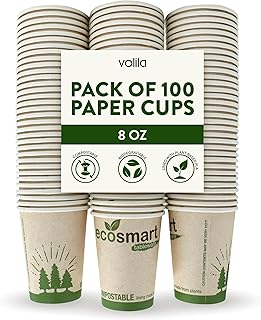
guidelines for selecting effective compostable packaging solutions
As 2026 advances, the awareness surrounding sustainable practices, particularly in the packaging industry, continues to grow. Compostable packaging offers a promising alternative to traditional plastic, contributing to environmental conservation. However, navigating the various options available can be challenging. This article provides practical advice on selecting effective compostable packaging solutions that meet your business needs while supporting eco-friendly initiatives.
Understand the Standards of Compostability
Before diving into specific products, it is crucial to understand what compostable packaging really means. According to the European Norm 13432, compostable materials are those that break down into non-toxic components in a composting environment, leaving no visible residue. Look for certification from reputable agencies, such as the Biodegradable Products Institute or the European Bioplastics association, to ensure that the packaging meets these rigorous standards.
Assess the Material Composition
The material used in compostable packaging plays a vital role in its effectiveness. Common materials include PLA (polylactic acid), PHA (polyhydroxyalkanoates), and paper made from sustainably sourced fibres. Each material has distinct properties; for example, PLA is better suited for cold items, while PHA performs well at higher temperatures. Evaluate the nature of your products and choose a material that aligns with their storage and handling requirements.
People Also Look For:
- Moritz & Moritz 75 pcs. Disposable Plates and Cutlery Set – 20x20 cm - 25 compostable Plates - 25 Disposable Wooden Cutlery...
- simplelifeco UK Eco Friendly Compostable Mailing Bags (Medium: 12 x 16â€, Pack of 10) - Compostable Mailers - Postage Bags - ...
- simplelifeco UK Eco Friendly Compostable Mailing Bags (Large: 14 x 19â€, Pack of 50) - Compostable Mailers - Postage Bags - E...
- AIOS 50 x Re-usable Takeaway Cups with lids. 400ml/12oz. Includes compostable Straws pk50. for Drinks on The Move, Parties, Campin...
- simplelifeco UK Eco Friendly Compostable Mailing Bags (Large: 14 x 19â€, Pack of 50) - Compostable Mailers - Postage Bags - E...
Evaluate the End-of-Life Options
Not all compostable packaging is created equal when it comes to disposal. Some products are designed for industrial composting facilities, while others can break down effectively in home compost environments. Before making a selection, consider the disposal options available to your customers. Providing clear information about how to dispose of the packaging will not only encourage proper practices but also enhance customer satisfaction.
Consider the Supply Chain
When selecting compostable packaging solutions, it is essential to evaluate the entire supply chain. Look for suppliers who prioritise sustainable practices, from sourcing raw materials to the manufacturing process. Engaging with suppliers that have transparency in their operations can ensure that your packaging aligns with your brand values. Additionally, assess their ability to scale with your business needs — as demand grows, your packaging solutions should keep pace without compromising on quality or sustainability.
Integration with Branding
Effective compostable packaging should not only be functional but also resonate with your brand identity. Consider how packaging design and materials reflect your brand values. Customisation options are often available, allowing you to incorporate your logo and messaging while maintaining the eco-friendly aspect. This not only enhances brand recognition but also communicates your commitment to sustainability to your consumers.
Cost Considerations
While the initial investment in compostable packaging can be higher than traditional options, it is important to consider the long-term benefits. Assess the total cost of ownership, which includes potential savings from waste disposal fees, customer loyalty, and improved brand reputation. Additionally, as the demand for compostable solutions grows, prices are likely to decrease as economies of scale come into play, making it a financially viable option for many businesses.
Test and Gather Feedback
Once you have chosen a compostable packaging solution, implement a pilot programme to test its effectiveness. Gather feedback from customers and employees regarding usability and performance. This information is invaluable in refining your choice and ensuring that the packaging meets both functional and aesthetic needs. Continuous improvement is key to establishing a successful packaging strategy.