Choosing the Right Compostable Packaging for Your Business
As businesses increasingly strive for sustainability, compostable packaging has emerged as a vital component in eco-friendly practices. With consumer demand for environmentally friendly options on the rise, choosing the right compostable packaging for your business is essential. In this guide, we will explore practical considerations and specific details to help you make informed decisions.
Understand Your Packaging Needs
The first step in selecting compostable packaging is to understand your specific needs. Consider the type of products you are selling and how they will be packaged. Different items require different packaging types, such as bags, boxes, or containers. Each of these options has various compostable materials available. For example, if you are packaging food items, you'll want to ensure that the materials comply with food safety regulations and are suitable for direct food contact.
Material Options for Compostable Packaging
There are several materials commonly used in compostable packaging, each with its own set of characteristics. Some popular options include:
People Also Look For:
- TOTM Natural Pads with Organic Cotton & Renewable Woodpulp | Super - Pack of 9 | Breathable Period Care with Secure Wings & Compos...
- Moritz & Moritz 75 pcs. Disposable Plates and Cutlery Set – 20x20 cm - 25 compostable Plates - 25 Disposable Wooden Cutlery...
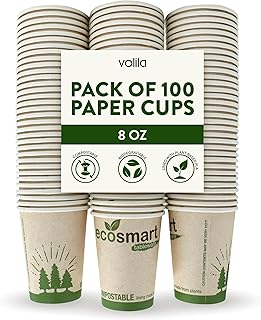
- volila Paper Coffee Cups 100 Pack, 8 Oz Recyclable Cups, Disposable Coffee and Tea Paper Cups, Compostable Cups for Hot Chocolate ...
- simplelifeco UK Eco Friendly Compostable Mailing Bags (Medium: 12 x 16â€, Pack of 10) - Compostable Mailers - Postage Bags - ...
- simplelifeco UK Eco Friendly Compostable Mailing Bags (Medium: 12 x 16â€, Pack of 10) - Compostable Mailers - Postage Bags - ...
- PLA (Polylactic Acid): Made from renewable resources like corn starch, PLA is transparent and suitable for various applications. However, it requires specific industrial composting conditions to break down effectively.
- Paper and Cardboard: These materials are widely used and can be easily composted at home or in industrial facilities. Look for options that are uncoated and free from any plastic laminates to ensure they are truly compostable.
- Bagasse: This is a by-product of sugarcane processing and is an excellent choice for food containers. It is durable, water-resistant, and can compost in both industrial and home settings.
- hemp-based packaging: Made from hemp fibres, this environmentally friendly option is biodegradable and compostable, offering great strength and versatility.
Certification Matters
When selecting compostable packaging, it is crucial to look for certifications that guarantee the product's compostability. Standards such as EN 13432 in Europe provide a framework for assessing if the packaging meets the requirements for composting. Products that meet these standards are typically marked with a certification logo, ensuring that they can break down in natural composting environments.
Consider the End-of-Life Scenario
Understanding how your packaging will be disposed of is equally important. Compostable packaging should ideally be disposed of in a composting facility or in a home compost. However, not all regions have access to industrial composting facilities. Check local waste management options to ensure your packaging will be handled correctly. Communicating the right disposal methods to your customers is also vital in ensuring that the packaging is composted effectively.
Cost Implications
While compostable packaging can sometimes come at a higher price point than traditional plastic options, it is important to consider the long-term value it provides. Sustainable practices can enhance your brand image, attract eco-conscious consumers, and potentially reduce waste management costs in the long run. Evaluate your budget and weigh the benefits of investing in compostable materials against the potential for increased sales from environmentally conscious customers.
Supplier Relationships
Building a relationship with a reliable supplier is essential in securing quality compostable packaging. Look for suppliers who have a proven track record in sustainability and can provide you with detailed information about the materials used in their products. Consider asking for samples to test the packaging's integrity and suitability for your products. Having a dependable supplier can greatly enhance your packaging strategy and help you navigate the evolving regulations surrounding compostable materials.
Educate Your Team and Customers
Finally, educating your team and customers about the benefits and proper disposal of compostable packaging is crucial. Provide training to your staff on how to handle these materials and their importance in reducing environmental impact. Use your marketing channels to inform customers about the compostability of your packaging, encouraging them to dispose of it responsibly.