simple steps to start using compostable packaging today
In an age where sustainability is becoming increasingly crucial, making the switch to compostable packaging is a step in the right direction. Compostable packaging is designed to break down into natural substances within a composting environment, offering an environmentally friendly alternative to traditional plastic. As of 2026, more options and resources are available to help you begin this journey. Here are some simple steps to help you get started.
Understand What Compostable Packaging Is
Before diving into compostable packaging, it is essential to understand what it entails. Compostable packaging materials are typically made from natural resources such as cornstarch, sugarcane, or vegetable oil. Unlike traditional plastics, these materials break down into organic matter, enriching the soil instead of polluting it. Familiarising yourself with the various types of compostable packaging will help you choose the right options for your needs.
Research Certified Products
Not all products marketed as compostable are created equal. Look for certifications from recognised organisations such as the Biodegradable Products Institute or the European Bioplastics Association. These certifications ensure that the packaging will break down in a composting facility and not in a landfill. Take time to research brands that offer certified compostable packaging options for both personal and business use.
People Also Look For:
- Moritz & Moritz 75 pcs. Disposable Plates and Cutlery Set – 20x20 cm - 25 compostable Plates - 25 Disposable Wooden Cutlery...
- TOTM Natural Pads with Organic Cotton & Renewable Woodpulp | Super - Pack of 9 | Breathable Period Care with Secure Wings & Compos...
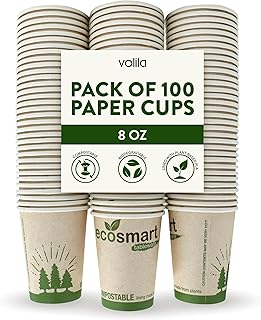
- volila Paper Coffee Cups 100 Pack, 8 Oz Recyclable Cups, Disposable Coffee and Tea Paper Cups, Compostable Cups for Hot Chocolate ...
- AIOS 50 x Re-usable Takeaway Cups with lids. 400ml/12oz. Includes compostable Straws pk50. for Drinks on The Move, Parties, Campin...
- simplelifeco UK Eco Friendly Compostable Mailing Bags (Large: 14 x 19â€, Pack of 50) - Compostable Mailers - Postage Bags - E...
Start Small with Everyday Items
Transitioning to compostable packaging can begin with simple, everyday items. Start by replacing plastic bags with compostable alternatives when shopping for groceries. Many supermarkets now offer compostable bags made from starch or paper. You can also opt for compostable food containers and utensils when hosting gatherings or picnics. These small changes can significantly reduce your plastic footprint.
Utilise Local Composting Facilities
One of the critical aspects of compostable packaging is ensuring proper disposal. Research local composting facilities that accept compostable materials. Many towns and cities have established composting programmes, and some even offer curbside pickup for compostable waste. Make sure to check their guidelines regarding what items are accepted, as this can vary by location.
Educate Yourself and Others
Knowledge is power, and educating yourself about the benefits of compostable packaging can inspire others to make the change too. Share information with friends and family about the environmental advantages, such as reducing landfill waste and lowering carbon emissions. Consider hosting workshops or discussions on composting and sustainable packaging options to engage your community.
Incorporate Compostable Packaging in Your Business
If you own a business, transitioning to compostable packaging can not only help the environment but also attract eco-conscious customers. Assess your current packaging methods and identify areas where compostable options can be integrated. This could include switching to compostable shipping materials or offering compostable takeaway containers in your food establishment. Communicate your commitment to sustainability through marketing efforts to resonate with your audience.
Stay Informed on Innovations and Trends
The compostable packaging industry is rapidly evolving, with new materials and technologies emerging regularly. Stay updated on the latest innovations and trends in the sector by following relevant blogs, attending industry events, or joining sustainability-focused networks. Being informed will enable you to make better choices and contribute to advancing sustainable practices.
Make It a Habit
Lastly, integrating compostable packaging into your lifestyle requires consistency. Make it a habit to always check for compostable options when shopping or preparing food. Over time, these small changes will become second nature, and your commitment to sustainability will continue to grow. Encourage others to join you in this journey, fostering a culture of environmental responsibility.