best practices for integrating compostable packaging in retail
The retail landscape has evolved considerably in recent years, with sustainability becoming a priority for consumers. As we move through 2026, integrating compostable packaging has emerged as a key strategy for retailers aiming to reduce their environmental impact. This article outlines best practices to ensure a successful transition to compostable packaging.
Understanding Compostable Packaging
Before integrating compostable packaging, it is essential to understand what it entails. Compostable packaging is designed to break down into natural substances over time when placed in a composting environment. This process helps reduce landfill waste and contributes to soil health. Retailers must differentiate between biodegradable and compostable materials, as not all biodegradable options are suitable for composting.
Engaging with Suppliers
Choosing the right suppliers is critical for integrating compostable packaging. Retailers should seek out companies that specialise in sustainable materials and offer certifications, such as the Biodegradable Products Institute (BPI) or the European Bioplastics label. Engaging with suppliers who can provide a range of options allows retailers to offer diverse products that cater to different customer needs.
Educating Staff
Training employees on the benefits and proper handling of compostable packaging is vital. Retail staff should understand how compostable materials differ from conventional ones and why they matter. Conducting workshops or training sessions can equip staff with the knowledge needed to answer customer queries effectively and promote sustainable practices within the store.
People Also Look For:
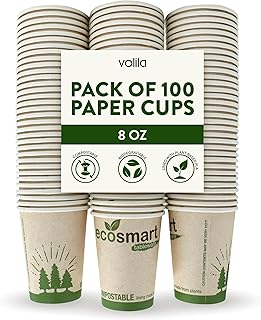
- volila Paper Coffee Cups 100 Pack, 8 Oz Recyclable Cups, Disposable Coffee and Tea Paper Cups, Compostable Cups for Hot Chocolate ...
- simplelifeco UK Eco Friendly Compostable Mailing Bags (Large: 14 x 19â€, Pack of 50) - Compostable Mailers - Postage Bags - E...
- simplelifeco UK Eco Friendly Compostable Mailing Bags (Medium: 12 x 16â€, Pack of 10) - Compostable Mailers - Postage Bags - ...
- volila Paper Coffee Cups 100 Pack, 8 Oz Recyclable Coffee and Tea Paper Cups, Compostable Cups for Hot Chocolate and Cappuccino, B...
- simplelifeco UK Eco Friendly Compostable Mailing Bags (Large: 14 x 19â€, Pack of 50) - Compostable Mailers - Postage Bags - E...
Communicating with Customers
Clear communication with customers is essential for the successful adoption of compostable packaging. Retailers should display signage that educates shoppers on how to dispose of compostable packaging correctly. In-store displays and online content can help raise awareness about the environmental benefits of compostable materials, encouraging customers to engage with sustainable practices.
Implementing a Composting Programme
To complement the use of compostable packaging, retailers should consider implementing a composting programme within their operations. This initiative can start with collecting compostable waste from the store and connecting with local composting facilities. Retailers can also encourage customers to participate by providing compost bins for used packaging, fostering a community culture of sustainability.
Evaluating Performance and Feedback
Once compostable packaging is integrated, it is crucial to evaluate its performance regularly. Retailers should collect feedback from customers and staff to assess the effectiveness of the packaging in terms of usability and satisfaction. This feedback can help identify areas for improvement and inform future decisions regarding packaging materials.
Monitoring Regulatory Changes
The landscape of packaging regulations is continually evolving. Retailers must stay informed about local and national regulations regarding compostable packaging. This includes understanding the legal definitions, acceptable materials, and disposal requirements. Being proactive about compliance not only mitigates risks but also reinforces a retailer's commitment to sustainability.
Utilising Technology
Incorporating technology can streamline the integration of compostable packaging. Retailers can leverage software solutions to track inventory levels, manage supplier relationships, and monitor customer feedback. Additionally, employing QR codes on packaging can direct customers to educational resources on composting, enhancing their understanding and engagement.
Creating a Community Initiative
Retailers can amplify their impact by collaborating with local communities. Engaging in partnership with local environmental organisations or schools to promote composting initiatives can foster a sense of community involvement. Hosting events focused on sustainability can further enhance the retailer's brand image while promoting compostable packaging as a viable alternative.