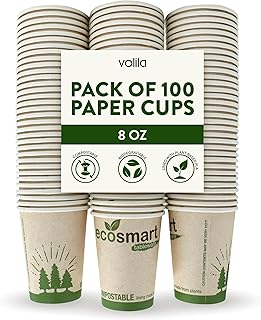
exploring the cost differences in compostable packaging choices
As businesses increasingly strive for sustainability, compostable packaging has emerged as a leading alternative to traditional plastic. In 2026, the options available can be divided into two primary categories: budget and premium compostable packaging. Understanding the cost differences and the features associated with each can help businesses make informed decisions that align with their sustainability goals.
Understanding Compostable Packaging
Compostable packaging is made from materials that can break down into non-toxic components in a composting environment. This type of packaging is typically derived from renewable resources such as plant-based materials, making it an attractive option for environmentally conscious businesses. However, the cost of compostable packaging can vary widely, depending on the materials used, manufacturing processes, and branding.
Budget Compostable Packaging Options
Budget compostable packaging is designed for businesses looking to adopt eco-friendly practices without straining their finances. Common examples include simple plant-based bags, paper packaging, and basic compostable food containers. These options tend to be less expensive, often ranging from 10 to 30 percent higher than standard plastic packaging.
One popular budget choice is the use of compostable paper bags, which are generally made from sustainably sourced paper and treated with a compostable coating. These bags can be found at prices starting from around 0.05 each in bulk orders. They are suitable for dry goods and can be customised with branding, adding a touch of professionalism without a significant cost increase.
People Also Look For:
- simplelifeco UK Eco Friendly Compostable Mailing Bags (Large: 14 x 19â€, Pack of 50) - Compostable Mailers - Postage Bags - E...
- simplelifeco UK Eco Friendly Compostable Mailing Bags (Small: 9 x 12â€, Pack of 10) - Compostable Mailers - Postage Bags - Ec...
- simplelifeco UK Eco Friendly Compostable Mailing Bags (Medium: 12 x 16â€, Pack of 10) - Compostable Mailers - Postage Bags - ...
- Gallo Biodegradable and Compostable Bags, White, 70 x 70 cm 75L Large
- LATERN 60Pcs Disposable Paper Cups, 250ml Multicolor Drinking Cups DIY Party Cups Biodegradable and Compostable Cups for Holiday W...
Premium Compostable Packaging Options
On the other end of the spectrum, premium compostable packaging options tend to be more expensive but offer enhanced features. These products may include more complex structures, such as multi-layer food pouches that provide better barrier properties against moisture and oxygen. The cost of premium options can range from 50 to 200 percent higher than traditional plastic alternatives, depending on the specific requirements of the packaging.
For instance, premium compostable clamshell containers made from bio-based PLA (polylactic acid) can cost upwards of 0.25 to 0.50 each. These containers are ideal for food service applications due to their durability and ability to maintain food quality. They often come with certifications that reassure consumers of their compostability, which can enhance brand reputation.
Comparing Costs and Features
When comparing budget and premium compostable packaging, it is essential to consider not only the price but also the features offered. Budget options may fulfil basic needs for packaging but might lack the strength or barrier properties required for certain products. In contrast, premium options often provide better performance but at a higher cost.
For example, if you are packaging fresh produce, the moisture barrier of a premium compostable container may justify the extra expense for the sake of product quality and customer satisfaction. Additionally, investing in premium packaging could potentially reduce waste and improve your brand image in an increasingly eco-aware market.
Factors Influencing Price
Several factors influence the price of compostable packaging. Material sourcing is a significant contributor; innovative materials such as mushroom-based packaging or seaweed-derived films may come with higher costs due to limited availability and production processes. Additionally, the scale of production can impact pricing, with larger orders often resulting in lower per-unit costs.
Moreover, certifications and compliance with composting standards can also affect pricing. Packaging that carries recognised certifications may be priced higher but can provide peace of mind for businesses and consumers alike. As businesses evaluate their options, it is crucial to balance cost with the benefits that compostable packaging can bring.